
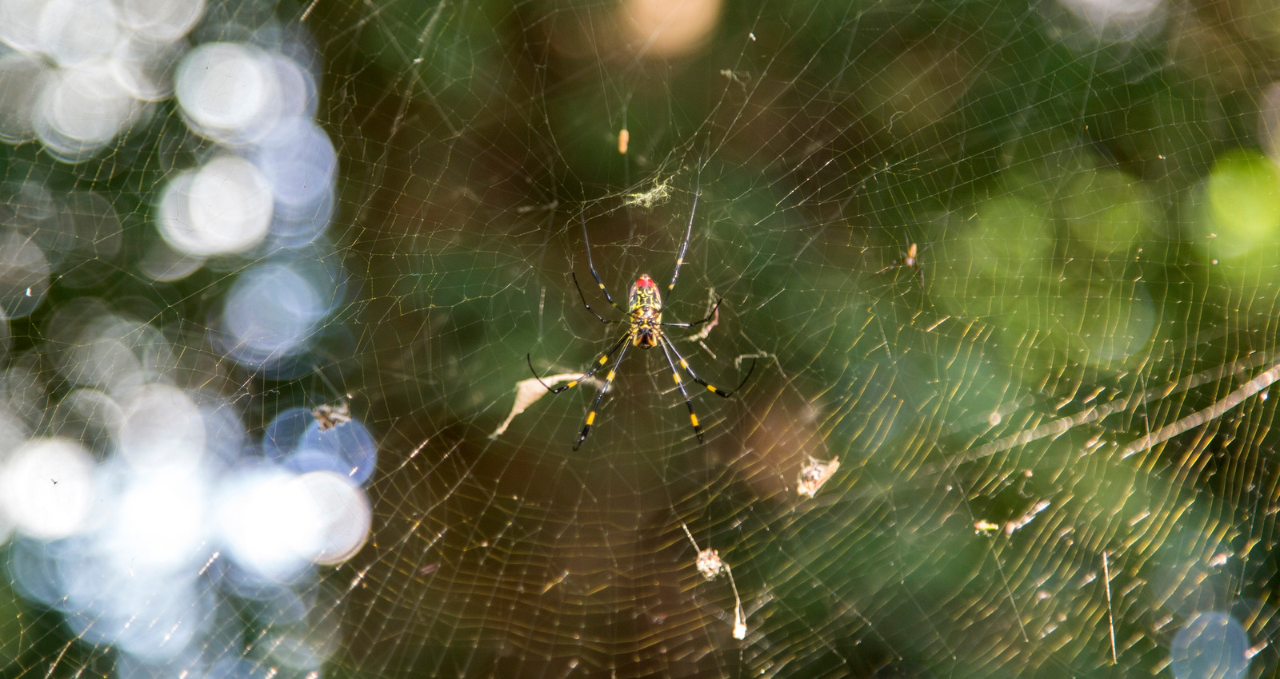
You clean the front entrance, remove the webs around the porch and wipe down the outdoor lights. Yet a few nights later, the same areas are covered again.
Spider webs around outdoor lights in Melbourne homes are not necessarily appearing at random. Outdoor lighting can attract flying insects, creating feeding opportunities for web-building spiders. Where insects gather, spiders may find a convenient place to establish their webs.
This is one reason spiders can repeatedly appear around entrances, eaves, garages, verandahs and other illuminated parts of a property. Understanding why these locations are attractive can help you recognise recurring spider activity and decide when professional spider control may be worthwhile.
Why Do Spiders Build Webs Near Outdoor Lights?
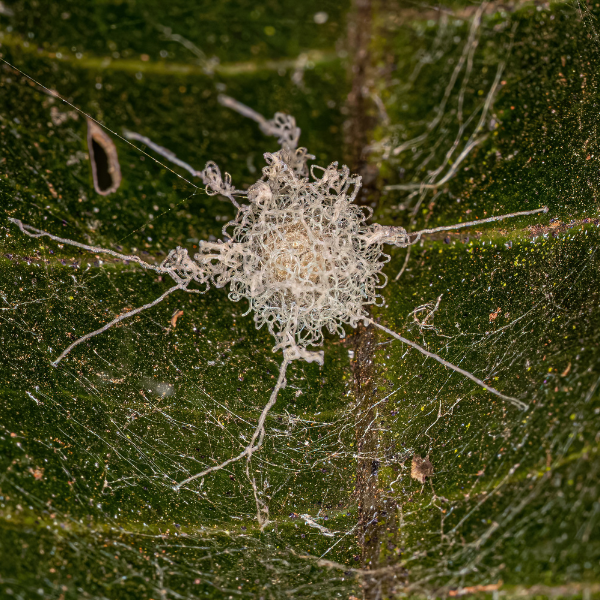
Outdoor lighting changes insect activity around a property after dark. Depending on the type of light and its surroundings, flying insects may gather around illuminated areas, particularly where there is nearby vegetation or shelter. For a web-building spider, this can create a useful feeding location.
Rather than building a web anywhere, some spiders establish themselves where flying insects are more likely to pass. A light near a doorway, window or covered outdoor area may provide exactly that opportunity. The light does not necessarily attract the spider itself. It can attract the insects that the spider feeds on.
Spiders play an important role in controlling insect populations. The Better Health Channel’s guide to spiders explains their role as predators of insects and provides information about common Australian spiders.
5 Places Where Spider Webs Commonly Reappear
If webs keep returning around your property, pay attention to the exact locations.
1. Around Front and Back Door Lights
Entry lights can attract flying insects close to doors and windows. Spiders may build webs in nearby corners, underneath light fittings or across sheltered sections of the doorway. This can make entrances one of the most noticeable areas for recurring webs.
2. Under Eaves and Verandah Roofs
Eaves provide protection from direct rain and wind. Where outdoor lighting is installed, these sheltered spaces can also offer suitable positions for web-building spiders. Check roof corners, support beams, ceiling edges and the spaces around fittings.
3. Around Garage Lights and Roller Doors
Garages can provide dark, sheltered spaces during the day and illuminated areas at night. Spiders may establish webs around the upper corners of roller doors, external lights and adjoining structures.
4. Around Windows and Flyscreens
Insects gathering near illuminated windows can create feeding opportunities for spiders. Webs may appear along window frames, flyscreen edges and nearby wall corners.
5. Around Pergolas and Outdoor Entertaining Areas
Pergolas, covered patios and outdoor seating areas often combine lighting, structural corners and nearby vegetation. These features can make them suitable locations for web-building spiders.
Why Do Spider Webs Keep Returning After You Remove Them?
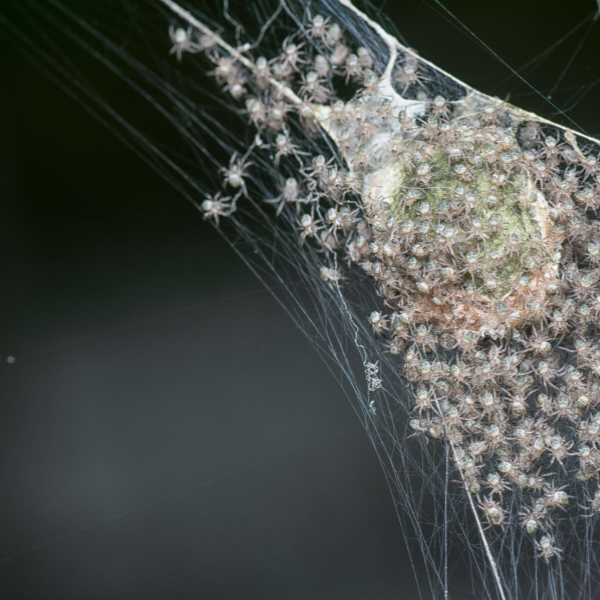
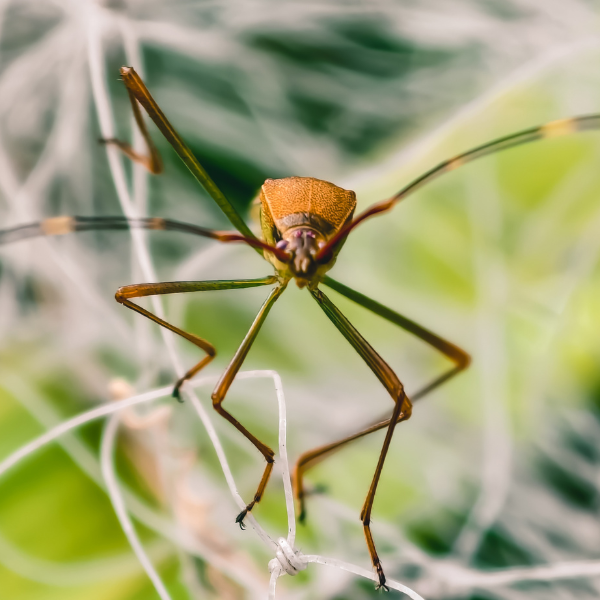
Removing a web clears the immediate nuisance, but it does not necessarily change the conditions that made the location attractive. If insects continue gathering around a light, a spider may rebuild in the same general area. Another spider may also establish a web nearby. There are several reasons this can happen:
-
The area continues attracting flying insects.
-
The structure provides sheltered web-building positions.
-
Nearby vegetation offers access and cover.
-
Corners, fittings and beams provide suitable attachment points.
-
Removing a web does not address wider spider activity around the property.
Repeated web removal can therefore become a frustrating cycle, particularly around frequently used entrances and outdoor living spaces.
Does Outdoor Lighting Make a Home More Attractive to Spiders?
Lighting can influence where insects gather, but it is not the only factor.
The type of light, surrounding vegetation, weather, nearby insect activity and available shelter all play a role. Some lighting choices may attract fewer insects than others, but changing a light alone will not guarantee that spiders disappear.
If spider activity is concentrated around several outdoor areas, it is worth considering the wider conditions around the property rather than focusing on a single fitting.
What Can Melbourne Homeowners Do About Recurring Spider Webs?
A few practical changes can make outdoor areas less favourable for persistent web-building activity.
Review outdoor lighting: Consider whether lights need to remain on throughout the night. Where practical, use timers or motion sensors.
Keep light fittings clean: Remove accumulated insects and debris from fittings when it is safe to do so.
Maintain surrounding vegetation: Trim plants and branches that touch external walls, windows and outdoor structures.
Inspect sheltered corners: Check eaves, pergolas, garage entrances and verandah ceilings regularly.
Avoid disturbing unidentified spiders: Do not handle spiders or reach into concealed areas where they may be hiding.
The Better Health Channel’s spider-proofing advice also recommends maintaining flyscreens, clearing vegetation near doors and windows, and seeking professional advice where necessary. These measures can help manage conditions around the property, but persistent spider activity may require a professional assessment.
When Is Professional Spider Control Worth Considering?
An occasional web outdoors does not automatically indicate a serious spider problem. However, repeated activity across entrances, garages, verandahs and other frequently used areas can become difficult to manage.
Professional spider control in Melbourne can help assess the type and extent of activity and determine an appropriate treatment approach for the property.
Pest-Zap provides spider control across Melbourne’s Eastern Suburbs, helping homeowners address unwanted spider activity around residential properties.
It is also important to recognise which spiders may require extra caution. Read our guide to dangerous spiders in Melbourne to understand the potential risks associated with some species found around Australian homes.
If webs continue appearing in the same locations despite regular maintenance, a professional inspection may be a sensible next step.
Spider webs around outdoor lights
Frequently Asked Questions
1. Do outdoor lights attract spiders in Melbourne?
Outdoor lights can attract flying insects, which provide a food source for web-building spiders. This can make areas around porch lights, garages, windows and verandahs common places to find spider webs.
2. Why do spiders keep rebuilding webs in the same place?
Spiders may return to locations that offer shelter and regular access to insects. Removing a web does not change these conditions, so another web may appear nearby.
3. How can I reduce spider webs around my outdoor lights?
Keep light fittings clean, reduce unnecessary overnight lighting, trim vegetation near external walls and regularly check sheltered corners around eaves and entrances.
4. When should I arrange professional spider control in Melbourne?
If spiders and webs keep appearing around entrances, garages, outdoor living areas or other frequently used spaces, professional spider control can help assess and manage the activity.
Spider Control Melbourne: Don’t Let Recurring Webs Take Over Your Outdoor Areas
Spider webs around outdoor lights, doorways and eaves can make otherwise clean and well-maintained properties frustrating to use.
Understanding why spiders choose these locations is the first step towards managing recurring activity. Where the problem persists, professional spider control can help you take a more targeted approach.
Pest-Zap is a local, owner-operated pest control business based in Ringwood North, servicing Melbourne’s Eastern Suburbs since 2014.
For professional spider control in Melbourne, contact Pest-Zap to discuss your property.
👉 Request a free pest inspection quote and get ahead of the warmer months.
📞 1300 ZAPPER (927 737)
