
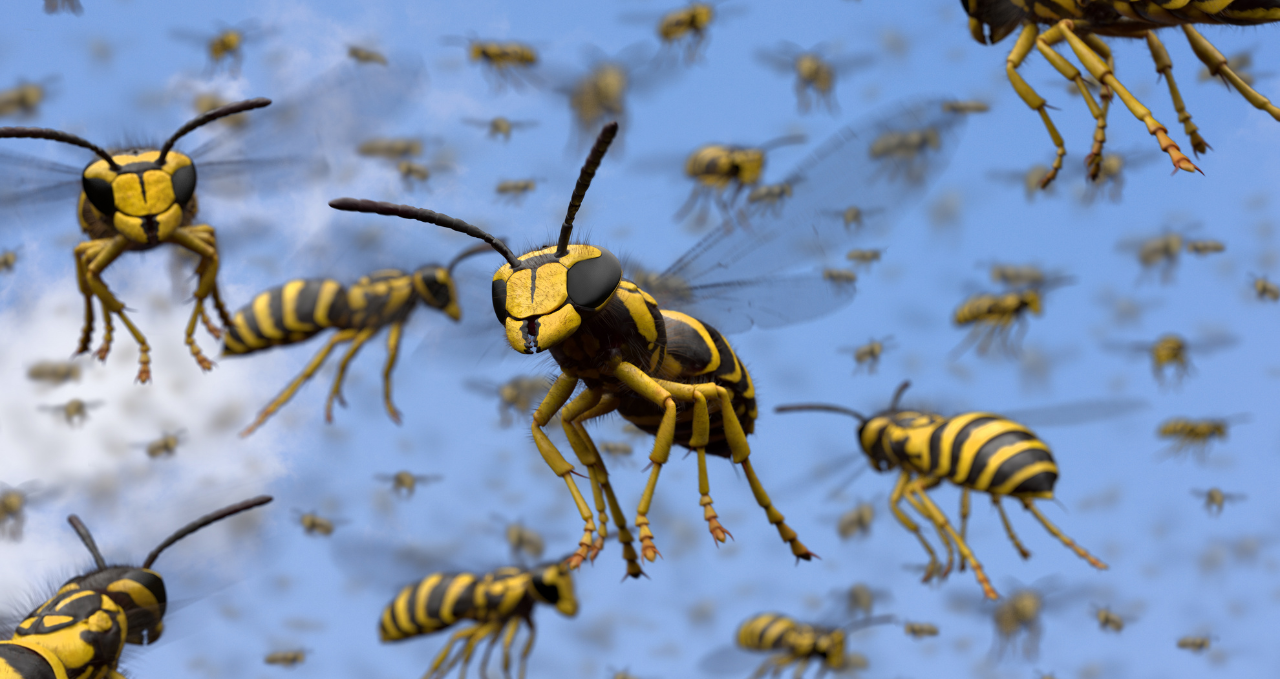
A backyard barbecue, an afternoon lunch on the deck or drinks outside on a warm evening can quickly become uncomfortable when wasps and ants start appearing around the food.
Wasps around outdoor entertaining areas in Melbourne can become a particular nuisance as warmer weather brings more outdoor activity. Food, sugary drinks, uncovered rubbish and accessible nesting locations can all contribute to unwanted pest activity.
Ants and wasps are attracted to different resources, but outdoor entertaining areas can provide both with opportunities to find food. Understanding what attracts them, and knowing when a wasp nest may be nearby, can help you manage the problem before it disrupts your outdoor space.
Why Do Wasps and Ants Appear Around Outdoor Dining Areas?
Outdoor entertaining brings several potential food sources into one location.
Fruit, meat, sweet drinks, sauces, food scraps and rubbish can attract different insects. Even a small spill or an uncovered bin can create an opportunity for pests to forage.
Ants commonly follow food trails between a food source and their nest. Wasps may visit outdoor areas while searching for food, including sugary substances and protein sources.
According to Agriculture Victoria’s European wasp information, European wasps are opportunistic scavengers that feed on a variety of foods, including human food, fruit and garbage. They can also interfere with outdoor eating and living.
A few insects around a table do not necessarily indicate a nest or infestation. However, repeated wasp activity in the same location deserves closer attention.
5 Outdoor Features That Can Attract Wasps and Ants
1. Sugary Drinks and Food Residue
Soft drinks, juice, fruit, desserts and sticky spills can attract insects to outdoor tables and entertaining spaces. A forgotten drink can, an unwashed glass or a small spill beneath a chair may provide an accessible food source. Keep drinks covered when not in use and clean spills promptly.
2. Outdoor Rubbish Bins
Bins containing food scraps, packaging and drink containers can attract insects, particularly when lids are left open or residue builds up around the rim. Keep lids securely closed, clean spills and avoid allowing rubbish to accumulate near seating areas.
3. Barbecue and Food Preparation Areas
Outdoor cooking can leave behind food residue, grease, meat scraps and sauces. These can attract insects after a meal has finished. Clean cooking surfaces and surrounding areas once they have cooled, and dispose of food waste promptly.
4. Fruit Trees and Garden Produce
Ripe or fallen fruit can attract insects to gardens and outdoor spaces. Fruit left on the ground may become an ongoing food source, particularly during warmer weather. Collect fallen fruit regularly and avoid leaving overripe produce around outdoor entertaining areas.
5. Gaps and Sheltered Structures
While food can attract wasps to an outdoor area, their nest may be located somewhere quite different. Roof edges, sheds, wall cavities, garden structures and other sheltered spaces can provide potential nesting locations, depending on the wasp species. A wasp repeatedly travelling towards one section of a building or structure may be worth observing from a safe distance.
Does Repeated Wasp Activity Mean There Is a Nest Nearby?
Not always. A wasp visiting an outdoor table may simply be searching for food. However, repeated movement towards and away from a particular point can indicate a possible nesting location. Pay attention to patterns such as:
- Wasps repeatedly entering the same gap in an eave or wall.
- Frequent activity around a shed or garden structure.
- Wasps flying towards a concealed section of a roofline.
- Increased activity around one particular area of the property.
- Wasps appearing regularly even after food and rubbish have been removed.
These observations can help identify where further investigation may be needed. Do not follow wasps closely, block an entrance or attempt to investigate a suspected nest yourself.
Where Do European Wasps Build Their Nests?
European wasps do not always build nests in obvious places.
According to Agriculture Victoria, many European wasp nests are located in holes in the ground or close to ground level. Other nests may be found inside buildings, including roof or wall cavities, or in sheltered areas around structures.
This means a wasp problem around an outdoor entertaining area may originate from a nest that is not immediately visible.
Repeated wasp movement towards a particular section of the property is worth noting, but do not approach or disturb the suspected nesting site.
Why You Should Never Disturb a Wasp Nest
A wasp nest can contain many individuals, and disturbing it may trigger defensive behaviour.
Spraying a nest with household products, hitting it, blocking its entrance or attempting to remove it without appropriate equipment can expose you to stings.
The Victorian Department of Health’s first aid guidance for bites and stings provides information about responding to insect stings and when medical assistance may be required.
The safest approach is to keep people and pets away from the area and arrange professional assessment.
This is particularly important when a suspected nest is located near a doorway, entertaining area, children’s play space or frequently used pathway.
European Wasps: A Particular Concern Around Melbourne Properties
European wasps are an important consideration for Melbourne homeowners during the warmer months.
They can be attracted to food and drinks around outdoor entertaining areas and may also establish nests in sheltered locations around properties.
If you notice repeated European wasp activity or suspect a nest, avoid disturbing the area.
Professional European wasp removal in Melbourne can help identify the problem and determine the appropriate removal approach.
How to Make Outdoor Entertaining Areas Less Attractive to Insects
A few simple habits can help reduce the food sources available to ants and wasps.
Cover food: Keep meals, fruit and desserts covered when they are not being served.
Use covered drinks: Avoid leaving open cans, bottles and glasses unattended outdoors.
Clean up promptly: Wipe tables, benches and barbecue surfaces after eating.
Secure rubbish: Use bins with fitted lids and clean away food residue.
Collect fallen fruit: Remove ripe or damaged fruit from garden areas.
Check sheltered structures: Look for unusual wasp activity around sheds, eaves and outdoor structures without approaching or disturbing suspected nests.
These steps can help reduce insect attraction, but they will not remove an established wasp nest.
When Should You Arrange Professional Wasp Removal?
If wasps are repeatedly gathering around your property, particularly near a suspected nest location, it is worth arranging a professional assessment.
You should consider professional wasp removal when:
-
You have identified a suspected nest.
-
Wasps are repeatedly entering a roofline, wall gap or shed.
-
Activity is occurring close to entrances or outdoor seating.
-
Wasps are becoming a regular problem around your home.
-
You cannot safely identify where the wasps are coming from.
Pest-Zap provides professional wasp control in Melbourne and European wasp removal across Melbourne’s Eastern Suburbs.
The priority is to identify the activity and deal with the nest safely, rather than repeatedly trying to remove individual wasps around the property.
For further information, read our article on wasp activity around Melbourne homes.

Wasps and ants around outdoor entertaining areas
Frequently Asked Questions
1. What attracts wasps to outdoor entertaining areas in Melbourne?
Wasps can be attracted to sugary drinks, fruit, meat, food scraps and exposed rubbish. Barbecues and outdoor dining areas can provide several food sources in one location.
2. Does seeing several wasps mean there is a nest nearby?
Not necessarily. Wasps may simply be searching for food. However, repeated activity around the same roofline, wall opening or garden structure could indicate a nearby nest.
3. Where do European wasps build nests around Melbourne homes?
European wasps may build nests underground, in roof cavities, wall spaces and other sheltered locations. Avoid approaching or disturbing suspected nests.
4. Should I remove a wasp nest myself?
No. Disturbing a wasp nest can trigger defensive behaviour and multiple stings. Keep people and pets away and arrange professional wasp removal.
5. Does cleaning outdoor areas prevent wasps and ants?
Keeping food covered, cleaning spills, securing rubbish and collecting fallen fruit can reduce available food sources. However, these steps will not remove an established wasp nest.
Wasp Removal Melbourne: Get Your Outdoor Space Ready for Summer
Outdoor entertaining should not mean constantly watching for wasps around your food and drinks.
Keeping food covered, securing rubbish and maintaining garden areas can help reduce the conditions that attract insects. However, repeated wasp activity may indicate that a nest is established nearby.
If you suspect a wasp nest around your Melbourne property, do not attempt to remove it yourself.
Pest-Zap is a local, owner-operated pest control business based in Ringwood North, servicing Melbourne’s Eastern Suburbs since 2014.
For professional wasp removal in Melbourne, contact Pest-Zap.
👉 Request a free pest inspection quote and get ahead of the warmer months.
📞 1300 ZAPPER (927 737)