
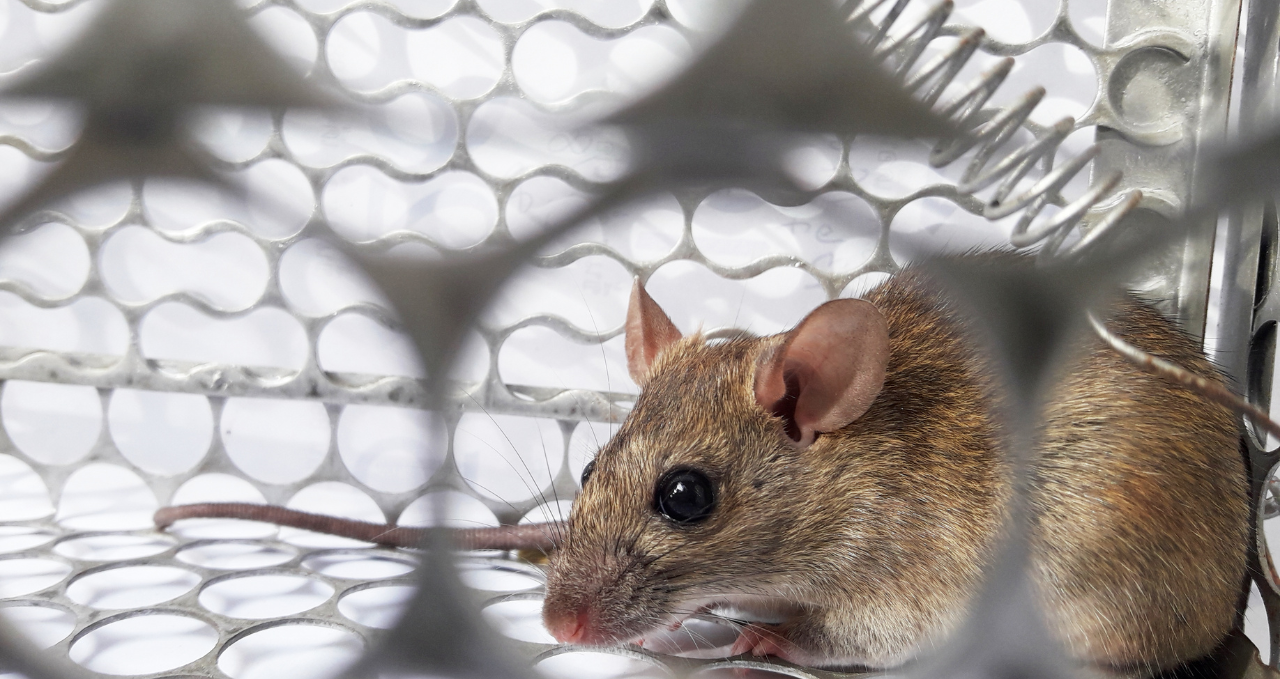
Rat Noises in Walls Melbourne: Don’t Ignore the Early Warning Signs
Rat noises in walls Melbourne homes are one of the earliest warning signs of hidden rodent activity during autumn and winter. Many rat noises in walls Melbourne homeowners hear after dark are caused by rats or mice nesting inside wall cavities, where they can remain hidden for weeks before other signs appear.
Because Melbourne’s cooler weather encourages rodents to seek warm, protected nesting sites, wall cavities become an ideal place to shelter. Understanding what these noises mean and acting early can help prevent expensive repairs, electrical hazards and a growing infestation.
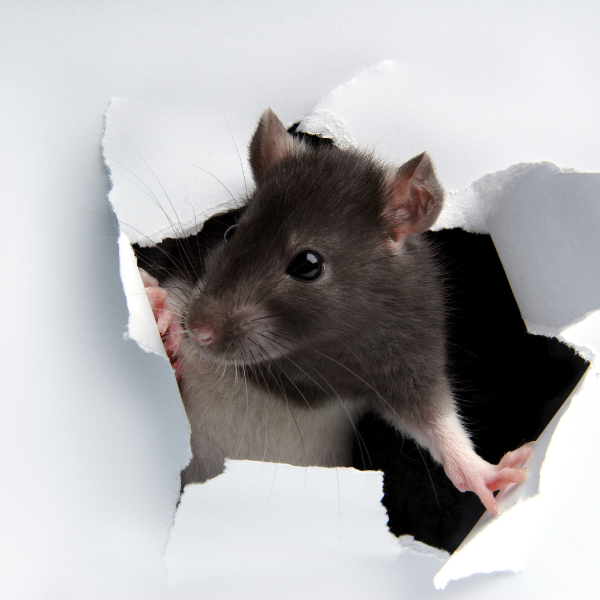
Why Rat Noises in Walls Melbourne Homes Are Most Common at Night
One of the most common questions homeowners ask is why the noises only seem to happen once everyone has gone to bed. Rats and mice are nocturnal animals, meaning they become most active after sunset. Once household activity settles, they begin moving through wall cavities searching for food, nesting materials and access to other parts of the property. Many homeowners describe hearing:
- Light scratching behind plaster walls
- Scurrying between rooms
- Gnawing or chewing sounds
- Short bursts of movement followed by silence
- Scratching that seems to travel from one wall to another
These sounds are often mistaken for timber expanding, plumbing movement or wind. However, if the noises occur consistently at night, rodents are a likely cause.
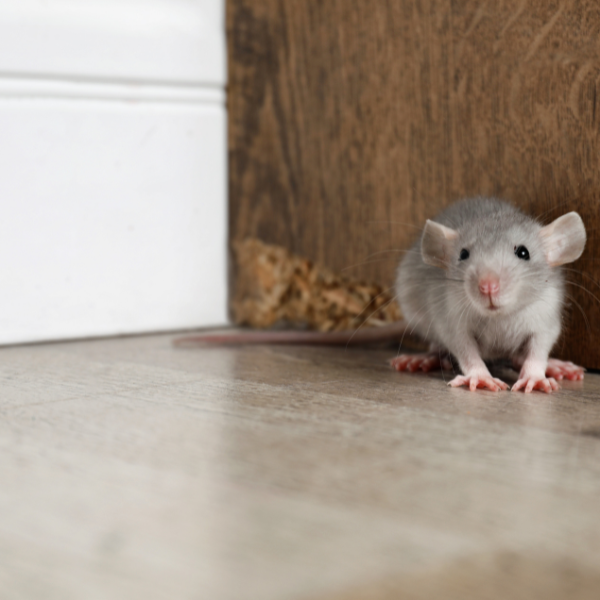
Why Rat Noises in Walls Melbourne Homes Often Start Inside Wall Cavities
Unlike roof spaces or garages, wall cavities provide rodents with a hidden network that allows them to move throughout a home without being seen. Wall cavities offer several advantages:
- Warmth from heated rooms
- Protection from rain and predators
- Safe nesting areas between insulation
- Easy access to kitchens, laundries and pantries
- Multiple escape routes through ceilings, roofs and subfloors
Once rodents establish a nesting site inside the walls, they often continue expanding throughout the property, creating multiple nesting areas over time.
How Rats Get Inside Melbourne Homes
Many people assume rodents need large openings to enter a home. In reality, even very small gaps can provide enough space. Common entry points include:
- Gaps around plumbing pipes
- Openings behind air-conditioning units
- Cracked brickwork
- Damaged weather seals
- Garage-to-house wall penetrations
- Utility service entry points
- Unsealed weep holes
- Small openings beneath eaves
After entering, rodents naturally follow internal wall cavities where they remain hidden from people and pets, and in some cases the problem can escalate into an emergency rat infestation if left untreated.

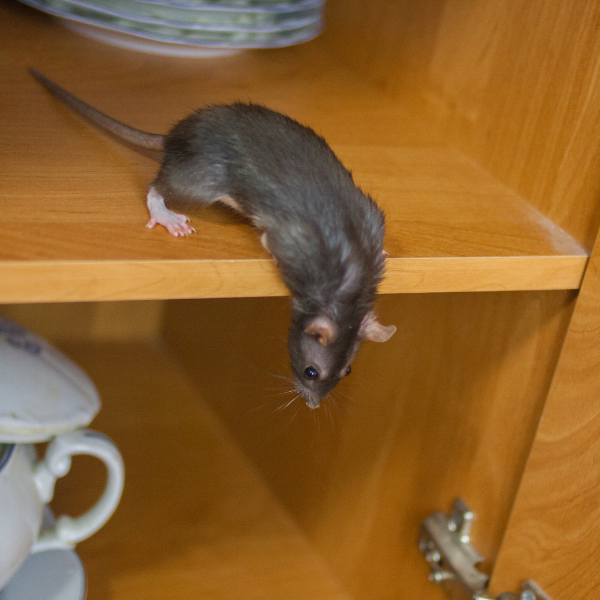
The Difference Between Rats and Mice Inside Walls
Although the sounds may seem similar, there are subtle differences.
Rats
Rats are heavier and produce louder scratching or thumping sounds. Homeowners often hear movement across longer distances as rats travel through larger cavities. Signs commonly include:
- Loud scratching
- Heavy movement
- Gnawing timber
- Larger droppings
- Strong ammonia odours
Mice
Mice create lighter scratching sounds that occur more frequently throughout the night. Typical signs include:
- Soft scratching
- High-pitched squeaking
- Small droppings
- Fine chewing marks
- Activity close to kitchens and food storage
Rat noises in walls Melbourne homes should always be investigated early because the sounds often indicate rodents are already nesting inside wall cavities.
Why You Might Hear Scratching in Different Rooms
One of the most confusing aspects of a wall cavity infestation is that the noises seem to move around the house. This happens because wall cavities are often interconnected. Rodents use internal framing, ceiling voids and service penetrations like highways, travelling between:
- Kitchens
- Bathrooms
- Laundries
- Living rooms
- Bedrooms
- Roof spaces
- Garages
- Subfloors
The scratching you hear above your bedroom may actually begin in the garage before travelling through connected wall spaces, as rodents commonly target garages and storage areas first before expanding further into the home.
Why Wall Infestations Often Go Undetected
Unlike pests that leave obvious evidence, rodents inside walls remain largely hidden. Homeowners may not notice an infestation until they experience:
- Persistent scratching at night
- Unpleasant odours
- Sudden electrical faults
- Pets staring at walls
- New droppings appearing indoors
- Damaged plasterboard
- Chewing sounds behind cupboards
By the time these warning signs become noticeable, rodents may already have established multiple nesting locations.

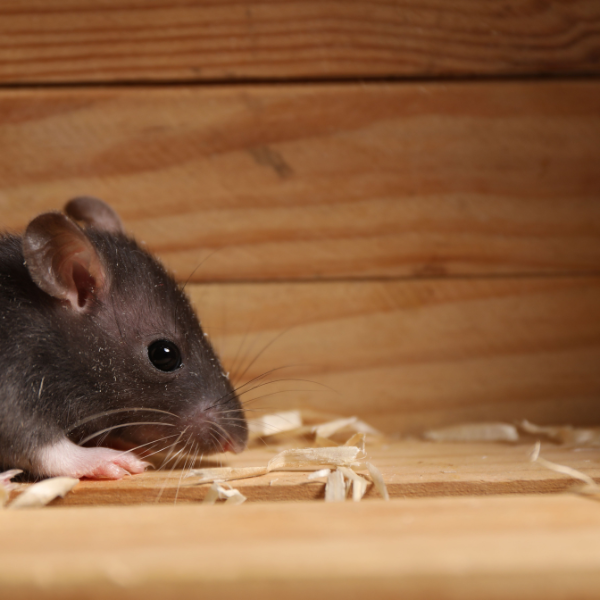
The Hidden Damage Happening Behind Your Walls
Many homeowners assume rodents simply make noise before leaving. Unfortunately, that’s rarely the case. As rats and mice move through wall cavities, they continuously chew to keep their teeth from overgrowing. This behaviour can damage:
- Electrical wiring
- Timber framing
- Water pipes
- Data cables
- Insulation
- Vapour barriers
- Plasterboard supports
The damage often mirrors the hidden mice damage found throughout roof spaces, insulation and other concealed areas of Melbourne homes. Rodent droppings and urine may also accumulate inside enclosed wall spaces, creating hygiene concerns and unpleasant odours. For practical advice on reducing pest risks around your home, visit the Better Health Victoria guide to pest control in the home.
When Wall Noises Become a Safety Risk
One of the biggest concerns isn’t simply having rodents in the house—it’s what they’re chewing. Electrical wiring is particularly vulnerable. Damaged cables can result in:
- Power interruptions
- Tripped safety switches
- Appliance failures
- Increased fire risk
Insulation may also become contaminated as rodents build nests using shredded materials collected from within the wall cavity. For this reason, scratching noises should never be ignored, particularly if they become more frequent during winter.
Why the Scratching Suddenly Stops
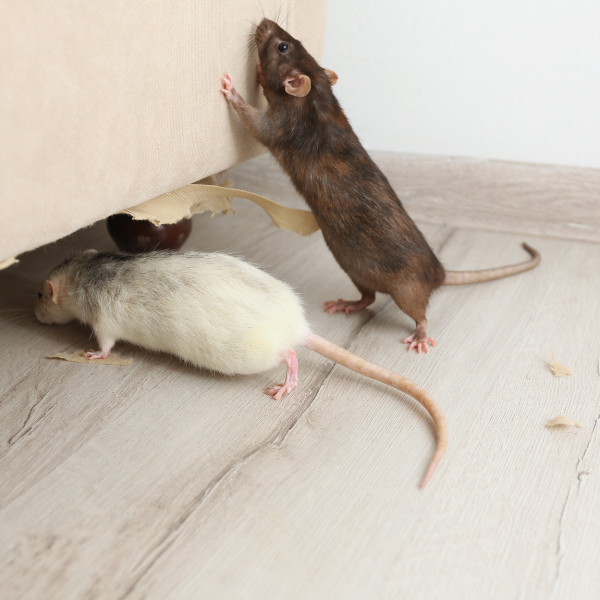
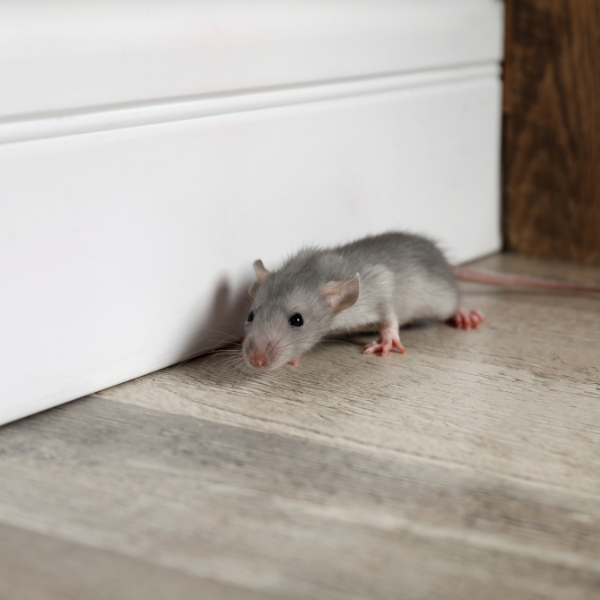
One of the biggest misconceptions is that if the noises stop, the rodents have gone. In reality, rat noises in walls Melbourne homes often become quieter once rodents have established a comfortable nesting site. Instead of constantly exploring, they settle into predictable movement patterns, making them harder to hear. Other reasons the scratching may stop include:
- A food source has been found nearby.
- Young rodents have been born and remain in the nest.
- Rodents have moved into another section of the wall cavity.
- They are travelling through the roof space or subfloor instead.
- Seasonal temperatures have changed their activity patterns.
Silence doesn’t necessarily mean the infestation has ended. In many cases, it means the rodents have become more established.
Common DIY Mistakes That Make Rodent Problems Worse
Many homeowners attempt to solve wall infestations themselves, but some methods can actually increase the problem. Common mistakes include:
Blocking Entry Holes Too Early
Sealing entry points before all rodents have been removed can trap them inside wall cavities. They may chew new openings or move deeper into the home in search of another exit.
Relying Only on Hardware Store Traps
Standard traps may catch one or two rodents but rarely address the nesting colony hidden inside the wall.
Ignoring Early Noises
Many infestations begin with occasional scratching before escalating into widespread movement throughout the property.
Using Homemade Repellents
Peppermint oil, ultrasonic devices and other DIY repellents generally do not eliminate an established infestation inside wall cavities.
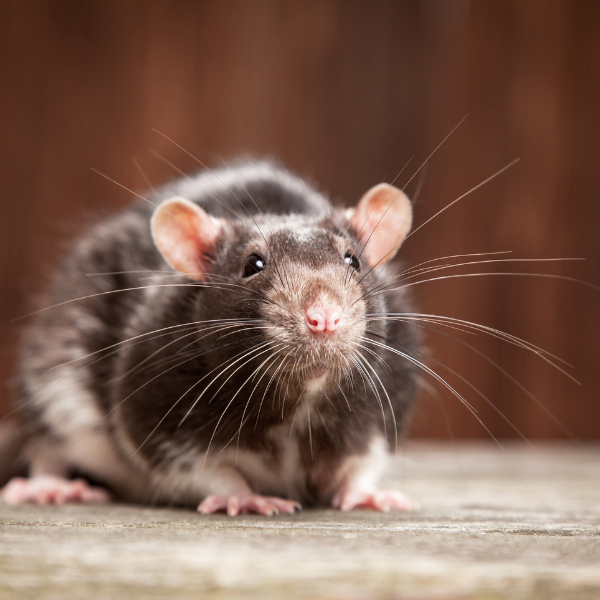
Why Melbourne Homes Experience More Wall Cavity Activity During Winter
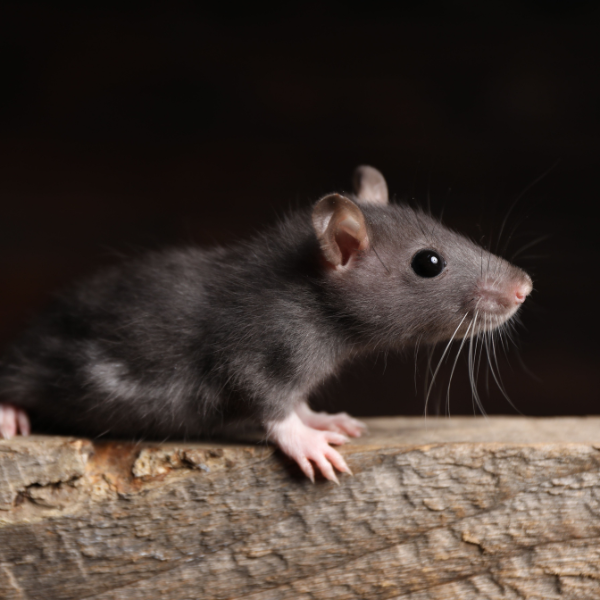
As temperatures fall across Melbourne, rats and mice become more determined to find stable shelter. Wall cavities provide ideal winter conditions because they offer:
- Consistent warmth from heated rooms
- Protection from rain and cold winds
- Safe nesting locations hidden from predators
- Easy movement between roof spaces, ceilings and subfloors
Older Melbourne homes are particularly susceptible due to ageing building materials, small structural gaps and multiple service penetrations. Although rodent activity occurs year-round, winter is often when homeowners first notice scratching sounds because rodents spend more time indoors. Winter conditions also drive rodents into roof cavities, allowing infestations to spread beyond the walls into other hidden parts of the home.
How a Professional Rodent Inspection Identifies Hidden Activity
Finding the exact location of rodents inside walls is rarely straightforward. A professional inspection focuses on identifying:
- Entry points around the exterior
- Fresh droppings and grease marks
- Gnawing damage
- Nesting locations
- Movement pathways between wall cavities
- Signs of roof and subfloor activity
- Areas at greatest risk of future infestations
Rather than treating only the visible symptoms, a comprehensive inspection aims to locate the source of the infestation and recommend long-term solutions.
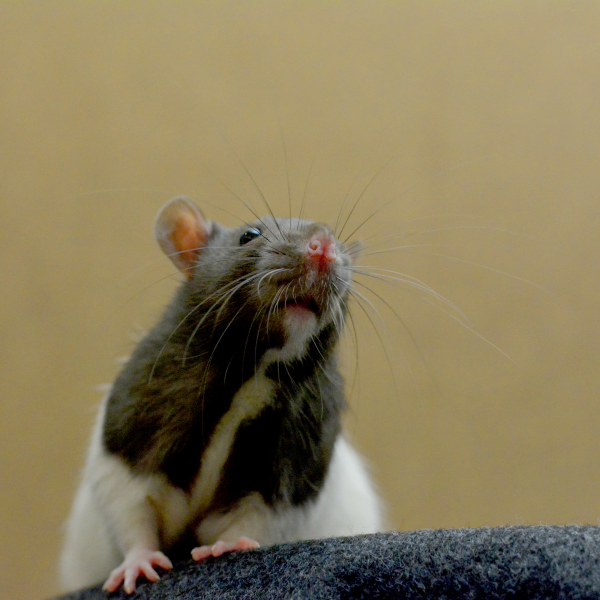
Protect Your Home Before Minor Noises Become Major Damage
Ignoring occasional scratching sounds can allow rodents to establish larger nesting areas inside your home. Early action may help reduce the risk of:
- Electrical damage
- Contaminated insulation
- Structural deterioration
- Expanding rodent populations
- More complex treatment requirements
If you’ve noticed recurring scratching, gnawing or movement inside your walls, arranging an inspection sooner rather than later can help identify the issue before it worsens.
Frequently Asked Questions
Are scratching noises in walls always rats?
No. While rats and mice are common causes, possums, birds and even plumbing movement can sometimes produce similar sounds. A professional inspection can help determine the source.
Can rats damage electrical wiring?
Yes. Rats and mice constantly chew to keep their teeth trimmed, and electrical wiring is a common target. This can increase the risk of electrical faults and, in some cases, fire.
Why do I only hear the noises at night?
Rodents are nocturnal and become most active after dark when homes are quieter and they feel safer moving around.
Will rodents leave on their own?
In most cases, no. If food, warmth and shelter remain available, rodents are likely to stay and may continue breeding inside the property.
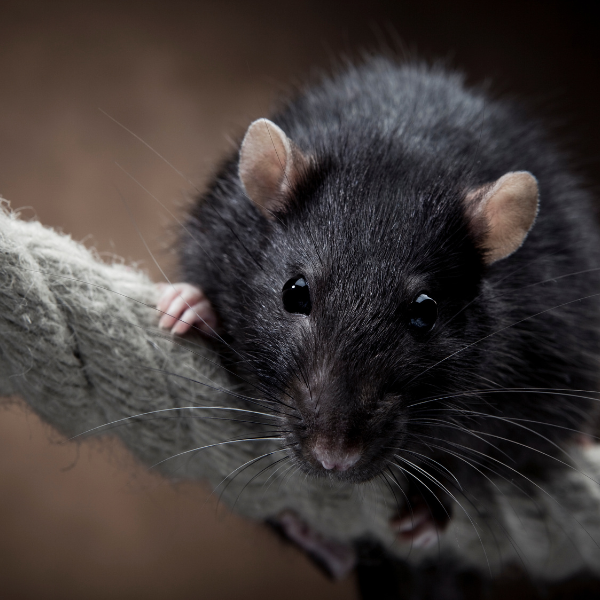
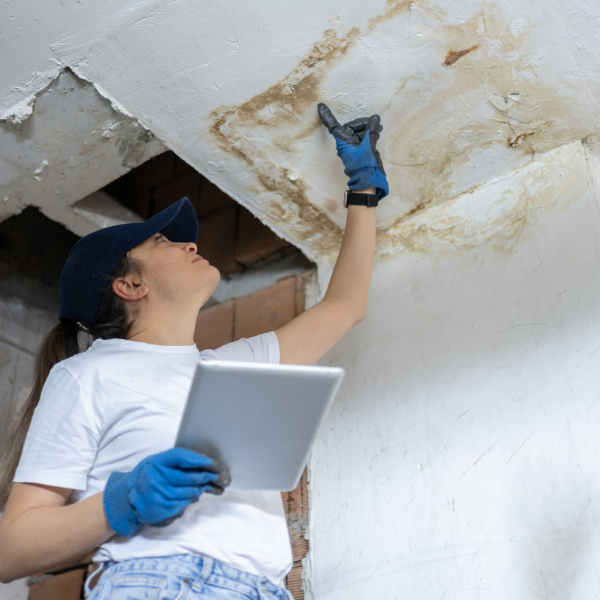
Professional Rat and Mice Inspections Across Melbourne
Pest-Zap provides professional rodent inspections for homes throughout Melbourne, helping identify hidden wall cavity activity before significant damage occurs. Our inspections include:
- Identification of likely entry points
- Assessment of wall cavity activity
- Inspection of roof spaces and subfloors where required
- Rodent management recommendations tailored to your property
- Long-term prevention strategies
Whether you’ve heard scratching for one night or several weeks, early investigation can make all the difference.
Don’t Ignore Scratching Sounds Behind Your Walls
During Melbourne’s cooler months, rat noises in walls Melbourne homes become more common as rodents seek warm nesting sites. These noises are often one of the earliest signs of hidden rodent activity. If rat noises in walls Melbourne homes continue for several nights, arranging a professional inspection can help locate hidden activity before significant damage occurs.
👉 Book a professional rodents inspection today
📞 1300 ZAPPER (927 737)