Why Rats Keep Coming Back Melbourne Homes After You’ve Removed Them
Many homeowners think catching one or two rats means the problem has been solved. Unfortunately, rodents rarely choose a property by chance. If rats have visited your home once, there’s usually a reason they continue returning.
Understanding why rats keep coming back Melbourne homes is one of the most effective ways to prevent repeated infestations. Removing rodents without removing what attracted them simply creates an ongoing cycle that can become increasingly difficult to control.
Food Is Easier to Find Than You Think
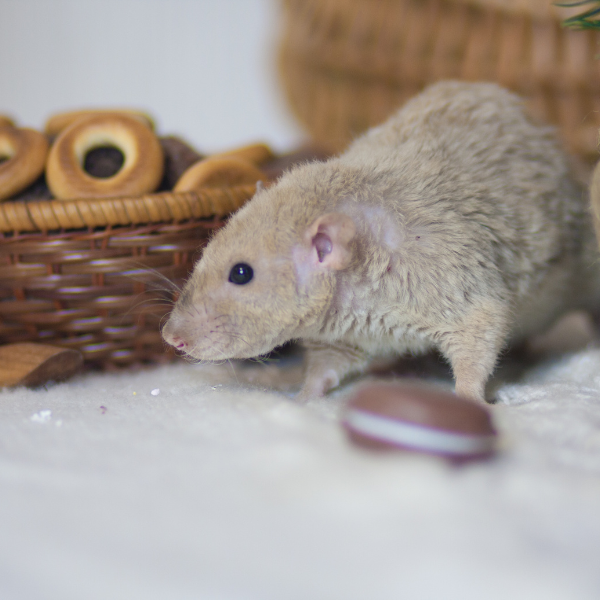
Rats don’t need overflowing rubbish bins to survive. Common food sources include:
- Pet food left outside overnight
- Fallen fruit beneath trees
- Bird seed
- Compost bins
- Chicken feed
- Vegetable gardens
- BQ grease
- Outdoor rubbish bins that don’t seal properly
Even small amounts of food can support an entire rodent population.
Water Sources Keep Rodents Nearby
Like all animals, rodents need reliable water. Many Melbourne homes unknowingly provide it through:
- Leaking taps
- Dripping irrigation
- Air-conditioner overflow
- Pet water bowls
- Bird baths
- Blocked gutters
- Poor drainage
A dependable water supply often keeps rodents living close to a property even if food becomes scarce.
Shelter Is Just as Important
Food attracts rodents. Shelter convinces them to stay. Ideal hiding places include:
- Dense shrubs
- Firewood stacks
- Stored timber
- Garden sheds
- Overgrown gardens
- Unused storage
- Under decking
- Behind retaining walls
These protected areas allow rats and mice to remain hidden during daylight before becoming active at night.
Small Entry Points Become Permanent Access Routes
Once rodents discover a safe way inside, they rarely forget it. Common access points include:
- Gaps beneath garage doors
- Damaged weather seals
- Roof gaps
- Broken vents
- Pipe penetrations
- Weep holes
- Loose roof tiles
- Cracked brickwork
Even after rodents are removed, these openings allow new rodents to enter.
Why One Rat Usually Means More
Rats are social animals. If one finds a reliable food source, others soon follow.
Many infestations begin with only a single rodent before expanding into breeding populations hidden inside:
- Roof spaces
- Wall cavities
- Garages
- Subfloors
- Outdoor sheds
Early intervention is always easier than treating an established colony.

Seasonal Changes Don’t Remove the Problem
Some homeowners notice fewer rodents during warmer months and assume they’ve disappeared.
More commonly, they simply become less noticeable.
During autumn and winter they return indoors where warmth, shelter and food become easier to find.
Without addressing the attraction factors, the cycle usually repeats every year.
Gardens Can Support Large Rodent Populations
Many infestations begin outdoors before moving inside. Rodents commonly live around:
- Compost
- Garden beds
- Ivy
- Thick ground cover
- Timber sleepers
- Rock walls
- Wood piles
Keeping gardens tidy reduces the number of safe harbourage areas available.
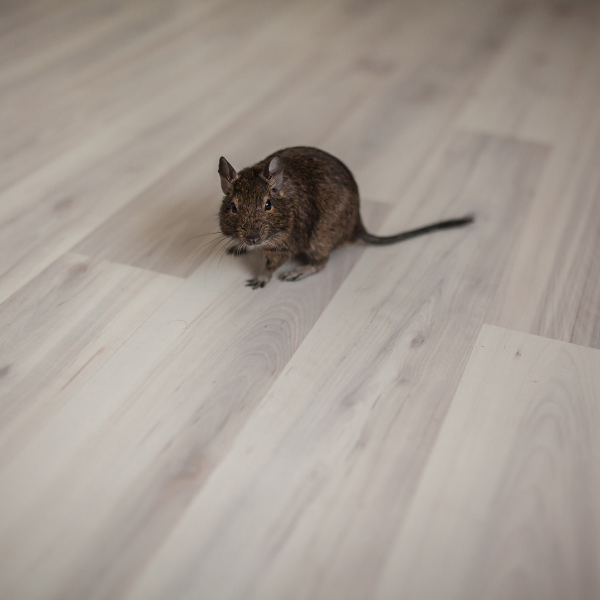
Neighbouring Properties Also Matter
Rodents don’t recognise property boundaries.
If nearby homes have abundant food, rubbish, neglected gardens or established infestations, rats may regularly move between multiple properties.
Professional inspections often identify surrounding environmental factors contributing to repeated activity.
DIY Treatments Often Remove the Symptom
Store-bought traps and bait can sometimes remove individual rodents. However, they rarely identify:
- Entry points
- Nesting locations
- Why rodents selected the property
- Ongoing attractants
- Future risks
Without addressing the source of the problem, repeat infestations remain likely.

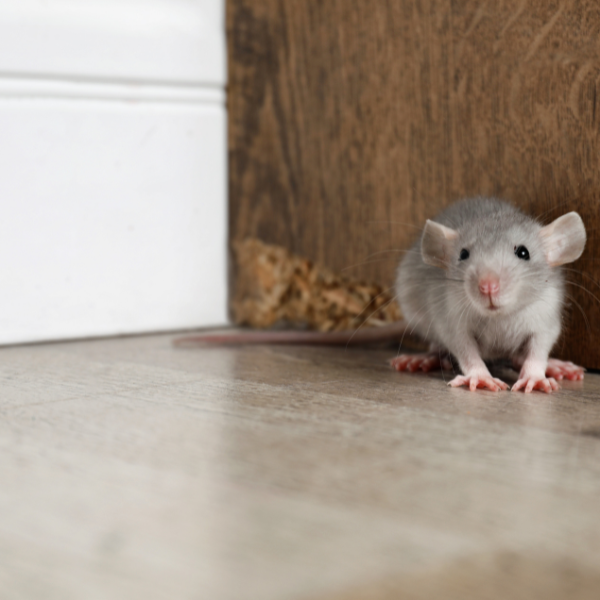
Preventing Rodents From Returning
Long-term prevention focuses on reducing what rodents need to survive. Effective prevention includes:
- Securing rubbish bins
- Storing pet food indoors
- Removing fallen fruit
- Trimming vegetation
- Repairing entry points
- Eliminating water leaks
- Reducing outdoor clutter
- Scheduling regular inspections where activity has occurred previously
Small maintenance tasks can significantly reduce the likelihood of future infestations.
Frequently Asked Questions
Why do rats keep coming back after baiting?
Bait removes individual rodents but doesn’t eliminate food sources, shelter or entry points that continue attracting new rats.
Do rats remember where food is?
Yes. Rats develop regular travel routes and often return to locations where they have previously found reliable food and shelter.
Can my neighbour’s property attract rats to my house?
Yes. Rodents commonly travel between neighbouring properties, particularly where food and nesting sites are readily available.
How do I stop rats returning permanently?
Long-term control requires removing attractants, sealing entry points and addressing nesting areas rather than relying solely on traps or bait.
When It’s Time to Call a Professional
If rodents continue returning despite trapping or baiting, there’s usually an underlying reason that hasn’t been identified. A professional inspection can determine:
- Where rodents are entering
- What is attracting them
- Where they may be nesting
- Which areas remain vulnerable
- The most effective long-term management strategy
Identifying the cause – not just removing the rodents – is the most reliable way to break the infestation cycle.
Pest-Zap provides professional rat and rodent inspections across Melbourne’s Eastern Suburbs, helping homeowners identify hidden activity and implement effective long-term control solutions.
👉 Book a professional rodents inspection today
📞 1300 ZAPPER (927 737)