
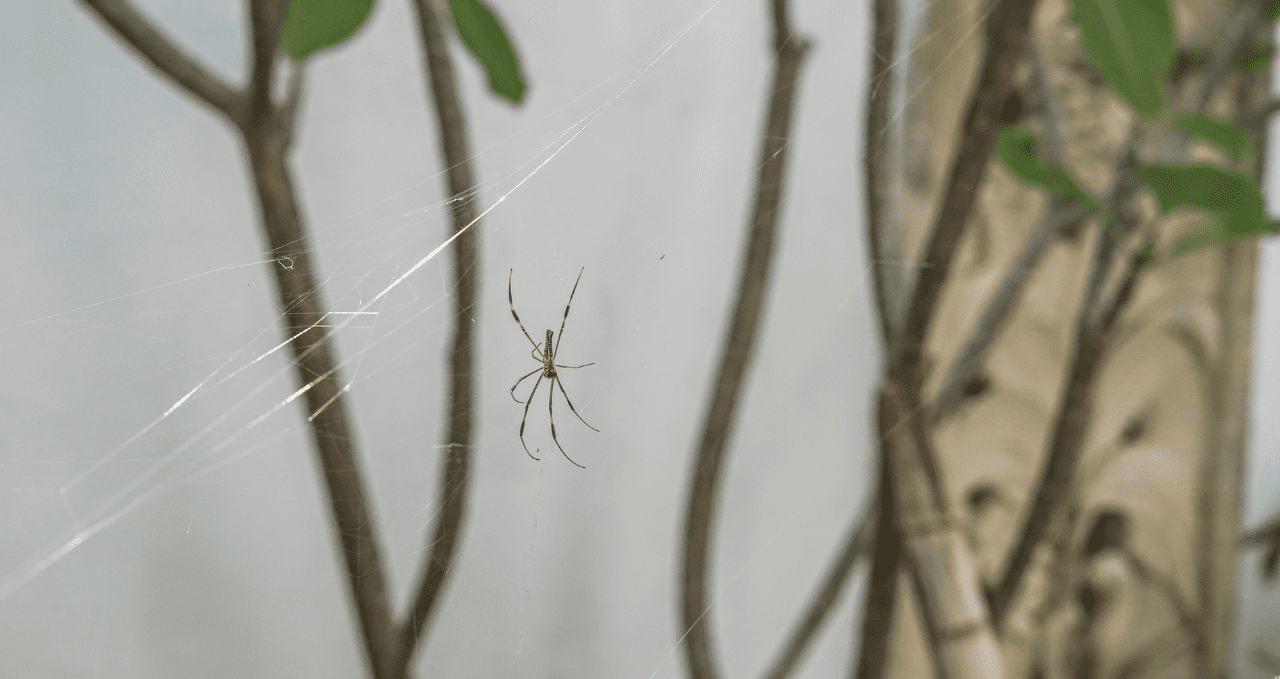
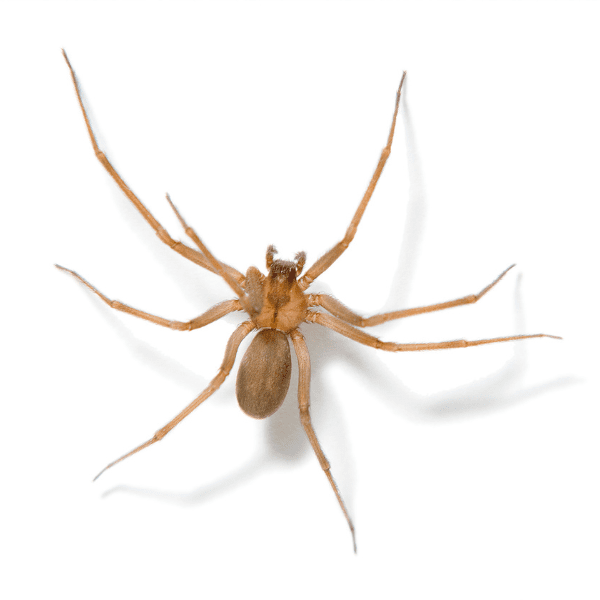
Seeing a spider inside your home often sparks an instant reaction — surprise, discomfort, or concern. But spiders don’t usually appear at random. In many cases, they’re a sign that something else is happening behind the scenes.
Understanding why spiders enter homes — and what their presence often indicates — can help you take a more effective approach to pest control.
Why Spiders Enter Homes
Spiders typically move indoors for three key reasons:
- Shelter from weather changes such as heat, rain, or cooler nights
- Quiet, undisturbed areas like roof voids, garages, cupboards, and storage spaces
- Access to food, particularly other insects
Unlike ants or cockroaches, spiders aren’t attracted to food scraps or moisture. Instead, they follow their prey. This is why spider activity often increases when other insects are present.
Spiders and Other Pests: The Hidden Connection
One of the most overlooked facts about spiders is that they’re often a symptom, not the main problem.
Spiders feed on insects such as flies, moths, mosquitoes, ants and cockroaches. When these insects are active in or around your home, spiders naturally move in to hunt.
This means repeated spider sightings can indicate:
- Increased insect activity
- Entry points allowing pests indoors
- Untreated nesting or breeding areas
Removing visible spiders alone may offer short-term relief, but unless the underlying insect activity is addressed, spiders often return.
Where Spiders Commonly Hide
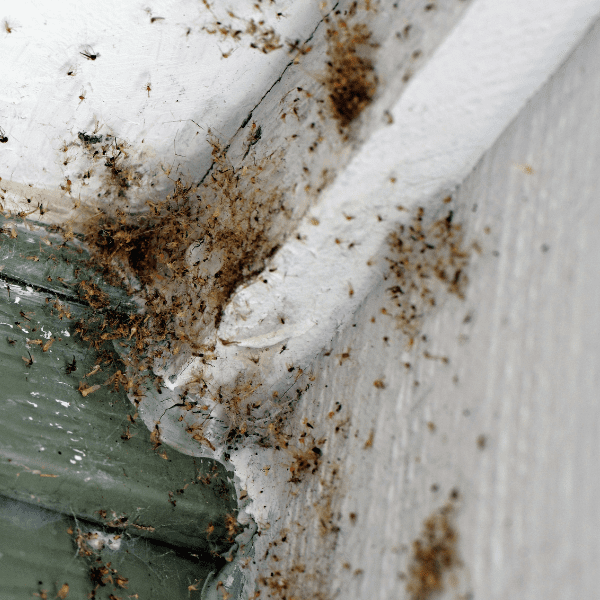
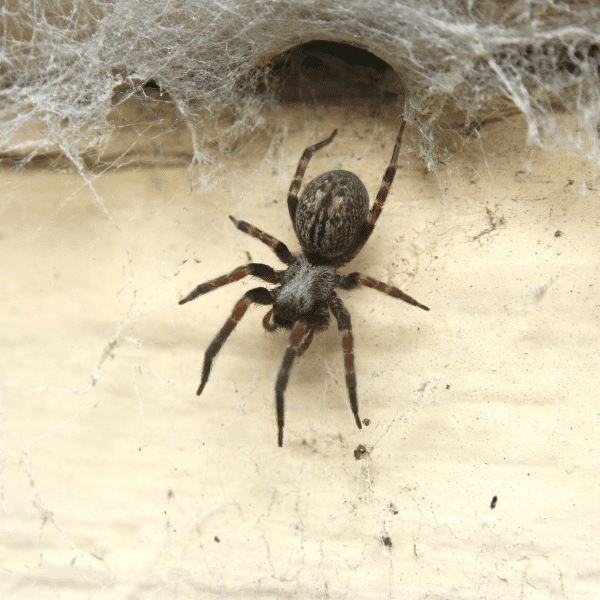
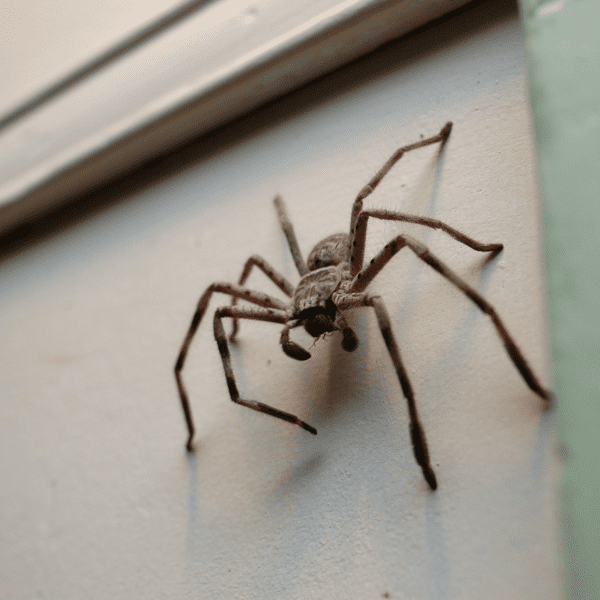
Spiders prefer dark, still spaces where they’re unlikely to be disturbed.
Common hiding spots include:
- Corners of ceilings and skirting boards
- Behind curtains and blinds
- Garages, sheds and roof spaces
- Storage cupboards and wardrobes
- Around window frames and doorways
Outdoor spiders frequently build webs near entrances, making it easy for them to move indoors when conditions change.
Are Spiders Dangerous?
Most spiders found in homes are not aggressive and will avoid contact wherever possible. However, bites can still occur if spiders feel threatened or trapped.
If you’re unsure about the types of house spiders commonly found in Melbourne homes, Pest-Zap has a detailed guide that explains which species are harmless and which may require extra caution.
Even when spiders aren’t dangerous, their presence can cause anxiety — particularly for families with children or pets — and frequent sightings can affect comfort and peace of mind.
How to Reduce Spider Activity at Home
Effective spider prevention focuses on making your home less attractive — not just to spiders, but to the insects they rely on.
Helpful steps include:
- Reducing insect populations with general pest control
- Sealing gaps around windows, doors and vents
- Removing webs from indoor and outdoor areas
- Keeping outdoor lighting away from entry points (lights attract insects)
- Decluttering garages, roof spaces and storage areas
Surface sprays may remove spiders temporarily, but they rarely address harbourage zones or the insects attracting them.

Why Professional Spider Control Is More Effective
Long-term spider control requires a broader approach. Professional treatments don’t just remove spiders — they break the cycle.
Targeted spider treatments focus on:
- Treating spider harbourage areas
- Reducing insect populations that attract spiders
- Creating protective barriers around entry points
- Treating both indoor and outdoor zones
At Pest-Zap, spider control is often combined with general pest treatments to deliver longer-lasting results and reduce repeat infestations. You can learn more about their long-lasting spider control solutions designed for Australian homes.
Ready to Protect Your Melbourne Home?
Spiders don’t usually arrive alone. Their presence often signals underlying insect activity or entry points that need attention. By understanding what spiders are really telling you, you can take a smarter, more effective approach to pest control.
Addressing the root cause — not just the spider itself — is the key to keeping your home comfortable, calm and spider-free.